
Navigating the Court System Made Easy
Filing a civil lawsuit can feel like wandering through a maze. Where do you even start? Each state, and often each county, has its own rules about which court handles specific types of disputes. Whether it’s a disagreement over a contract or a personal injury matter, finding the right place to file is crucial to avoid delays or dismissed cases. That’s where a reliable court locator tool comes in handy.
Why Jurisdiction Matters
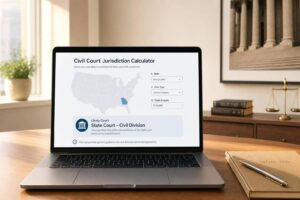
Jurisdiction isn’t just a legal buzzword—it’s the foundation of getting your case heard. Courts are organized by levels, often based on the nature of the issue and the financial stakes involved. Small claims courts, for instance, are built for quicker, lower-value disputes, while superior courts tackle more complex or high-dollar matters. Guessing wrong can cost you time and money. Using a resource like our jurisdiction finder simplifies this step, helping you zero in on the appropriate venue based on your unique situation.
Beyond the Basics
While tools can point you in the right direction, local nuances matter. Always confirm with the courthouse or a legal expert to ensure you’re following the latest protocols. A little preparation goes a long way in making the process smoother.
FAQs
How accurate is this Civil Court Jurisdiction Finder?
Our tool is designed to provide reliable guidance based on general jurisdictional rules across various states and counties. It uses a database of common court structures and limits to match your inputs with the most likely court. That said, rules can vary widely even within a single state, so we always include a disclaimer to double-check with local court guidelines or a legal professional. Think of us as a helpful starting point, not a substitute for tailored legal advice.
What types of civil cases can this tool help with?
We’ve got you covered for most common civil matters, like contract disputes, personal injury claims, property disagreements, and debt collection cases. Just pick the category that best fits your situation from the dropdown menu, and we’ll factor it into the results. If your case type isn’t listed or seems unique, the tool can still point you to a general court level, but you might need to consult with someone locally for specifics.
Why does the amount in dispute matter for finding a court?
Great question! Courts often have strict monetary limits that decide where a case can be filed. For example, small claims courts typically handle lower-value disputes—say, under $5,000 or $10,000 depending on the state—while higher amounts might push you to district or superior courts. By entering the amount tied to your case, we can steer you toward a court with the authority to hear it, saving you from filing in the wrong place.