Civil Case Jurisdiction Checker
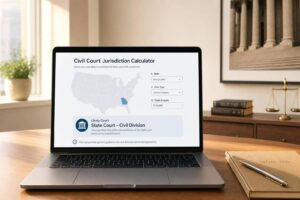
Figuring out where to file a lawsuit isn’t always as simple as picking the nearest courthouse. Court authority often depends on where the parties are located, what kind of dispute is involved, and how much money is at stake. A Civil Case Jurisdiction Checker helps narrow that down by matching user input to state or regional filing rules, giving people a practical starting point before they prepare documents or pay filing fees.
Why jurisdiction matters
A case filed in the wrong court can be delayed, transferred, or dismissed. That’s why it helps to review the likely court level first, whether the dispute belongs in small claims, district court, or another civil trial court. For everyday users dealing with contract claims, personal injury matters, or property disputes, a court finder like this can save time and reduce confusion.
What this tool helps you do
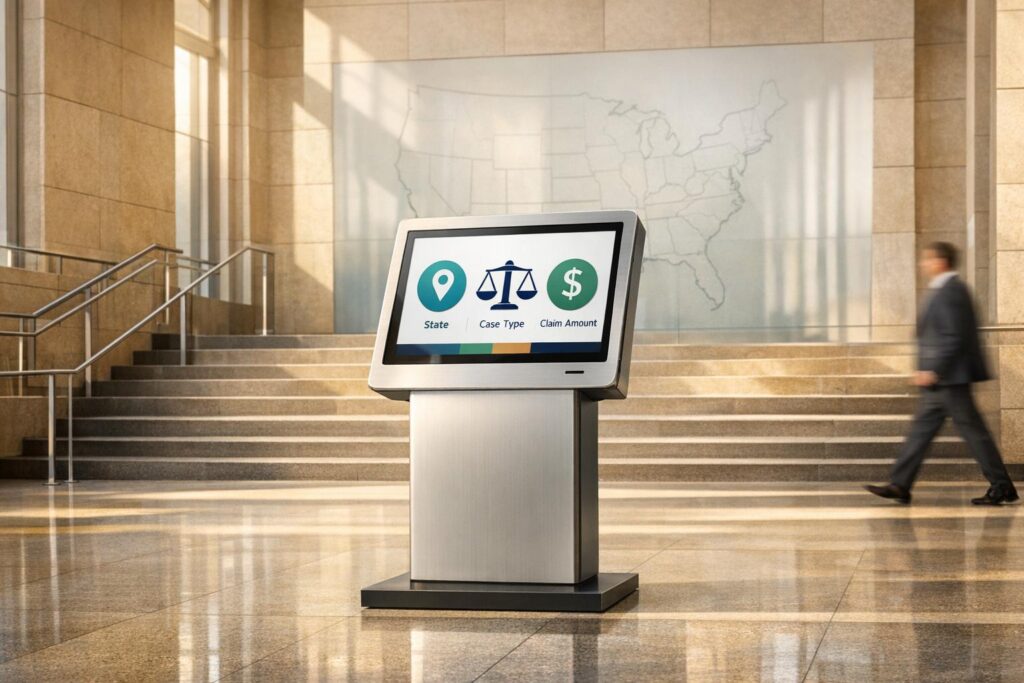
By entering a location, case type, and claim amount, users can see the most likely filing venue along with a plain-English explanation of the match. The Civil Case Jurisdiction Checker is especially useful for early research, but it should always be paired with a review of local court rules. Jurisdiction questions can turn on specific facts, so legal advice or court confirmation is still essential before filing.
FAQs
How accurate is the Civil Case Jurisdiction Checker?
The tool is designed to be highly practical by matching your location, case type, and claim amount against jurisdiction rules stored by state or region. That said, court jurisdiction can also depend on details such as where the defendant lives, where the events happened, whether the claim asks for money or another remedy, and whether there are special statutes involved. The result should be treated as a strong starting point, not a substitute for legal advice or the court’s own filing guidance.
Can this tool tell me the exact court where I should file?
It can usually point you to the most likely court level and the appropriate local filing venue based on the information you provide. In many cases, that means identifying something like small claims court, district court, or circuit court in your county or judicial district. Still, naming conventions and filing boundaries vary by state, so you should confirm the final court name and venue details with the clerk’s office or the official court website.
What if my case could fit more than one court?
That can happen, especially when claim amounts sit near a court threshold or when a case involves multiple legal issues. If the rules suggest more than one possible venue or court level, the best approach is to review the explanation carefully and then verify the options before filing. This tool is meant to simplify the research process, but it also includes a clear disclaimer because only a qualified lawyer or the court itself can confirm jurisdiction with confidence.