
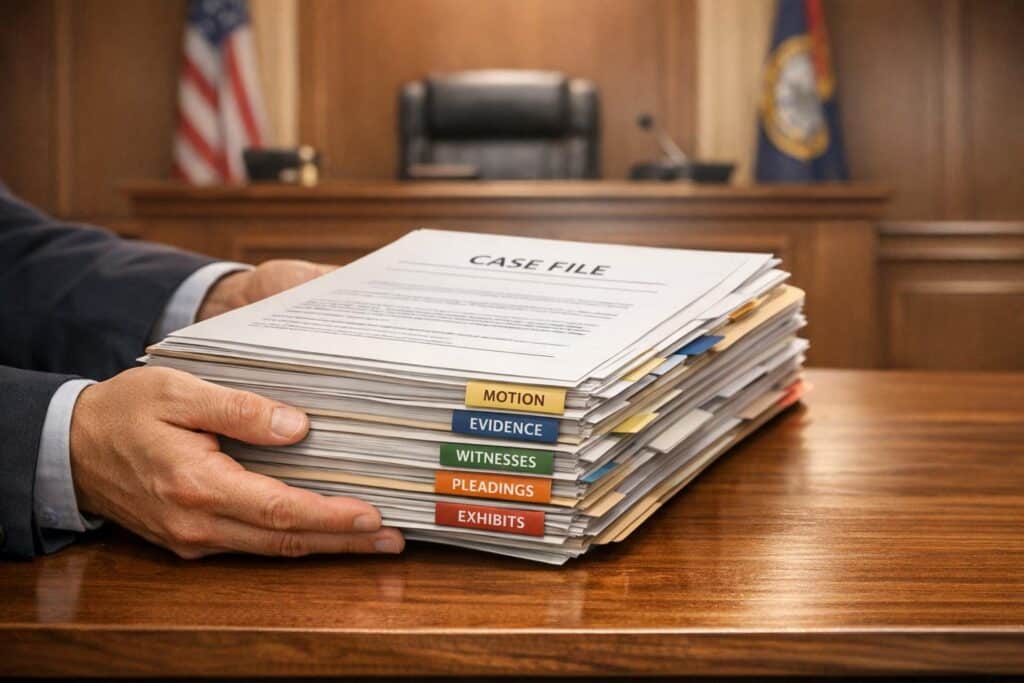
Civil court procedure is the set of rules governing how a civil lawsuit moves through the court system, from filing a complaint through trial and judgment. This guide explains each stage of civil court procedure so self-represented litigants can navigate the process with confidence.
Navigate Civil Court with Confidence: Your Step-by-Step Guide
Facing a civil lawsuit or thinking about filing one? The legal system can feel like a maze, but understanding the process is half the battle. Our Civil Court Procedure Guide is here to help everyday people grasp the stages of litigation in the United States, from initiating a case to reaching a resolution. Whether you’re dealing with a dispute over property, contracts, or personal injury, having a roadmap can ease the stress.
There’s a rule book somewhere that the average person doesn’t even know exists, and I’ve learned that understanding civil procedure is the difference between winning and losing. I’ve been sued, I’ve sued, I’ve won on procedure, and I’ve lost on merits—and every experience taught me that knowing how the system works is your greatest advantage. This guide is your chance to learn what took me years to figure out.
Why Understanding Civil Litigation Matters
Civil cases often involve complex rules and tight deadlines. Without a clear sense of what comes next, you might miss critical steps like filing deadlines or gathering evidence during discovery. That’s where a structured resource comes in handy. This tool breaks down the journey into manageable pieces, offering explanations in plain English. You’ll learn about serving papers, pre-trial motions, and what happens if your case goes before a judge.
Tailored Guidance for Your Needs
Every state has its own spin on the process, and our guide lets you select yours for customized insights when available. Even without specific local data, the core steps of pursuing or defending a claim remain consistent. Pair this with official state resources, and you’re well on your way to navigating the system with confidence.
Civil procedure doesn’t have to be intimidating. It’s just a set of rules designed to keep litigation fair and organized, and once you understand those rules, you can navigate the entire court system on your own terms. You’re not just learning how to file paperwork—you’re learning how to protect yourself and demand that everyone play by the same rules. That knowledge is power.
Related Articles
- Complete Guide to Civil Procedure Principles
- Civil Court Procedure Guide
- Civil Court Procedure Guide
FAQs
What are the basic steps in a civil court case?
Great question! A civil court case typically starts with filing a complaint, where you outline your issue. Then comes serving the other party, followed by discovery—where both sides gather evidence. After that, you might have pre-trial motions or settlement talks. If no agreement is reached, it’s on to trial, and finally, a judgment. Each step has its own timeline and rules, which we detail in our guide. Some states tweak the process a bit, so selecting your state can help refine the info.
Can I use this guide for any state in the US?
Absolutely, you can! Our guide is built on the general framework of civil court proceedings across the United States, so it’s broadly applicable. If you pick your state from the dropdown, we’ll try to highlight any unique quirks or requirements where possible. If state-specific data isn’t available, you’ll still get a solid, easy-to-follow overview that works as a starting point. Pair it with local resources for the best results.
Do I need a lawyer to follow this civil court guide?
Not necessarily, but it depends on your case. This guide is designed for folks who want to understand the process in plain language, whether you’re representing yourself or just curious. We lay out each stage so you know what to expect. That said, civil cases can get tricky, and having a lawyer often makes a big difference, especially with paperwork or strategy. Use this tool to get familiar with the steps, then decide if you need professional help based on your situation.