
Facing Foreclosure? How Tonya Got the Case Dismissed Without a Lawyer
She was behind on her mortgage, and she admitted it. The lender had skipped a step it was required to take before foreclosing, and Tonya found it.
A composite story drawn from member experiences. Details below.
Tonya had lived in her Midwestern home for fifteen years. Her children’s heights were still marked on the kitchen doorframe. Then emergency surgery kept her out of work for two months, and she missed mortgage payments.
She asked the servicer about assistance. Going back to work helped, but the past-due amount didn’t go away. Then a foreclosure complaint arrived on her FHA-insured mortgage. The lender had a lawyer. Tonya had her statements, a body still recovering and the fear of losing the house where she’d raised her children.
Her first instinct was to call the servicer again and hope the lawsuit would sort itself out. But a phone call doesn’t answer a complaint.
See if your case qualifies →5 questions. 2 minutes. $1 once. Nothing renews.
First, the deadlines
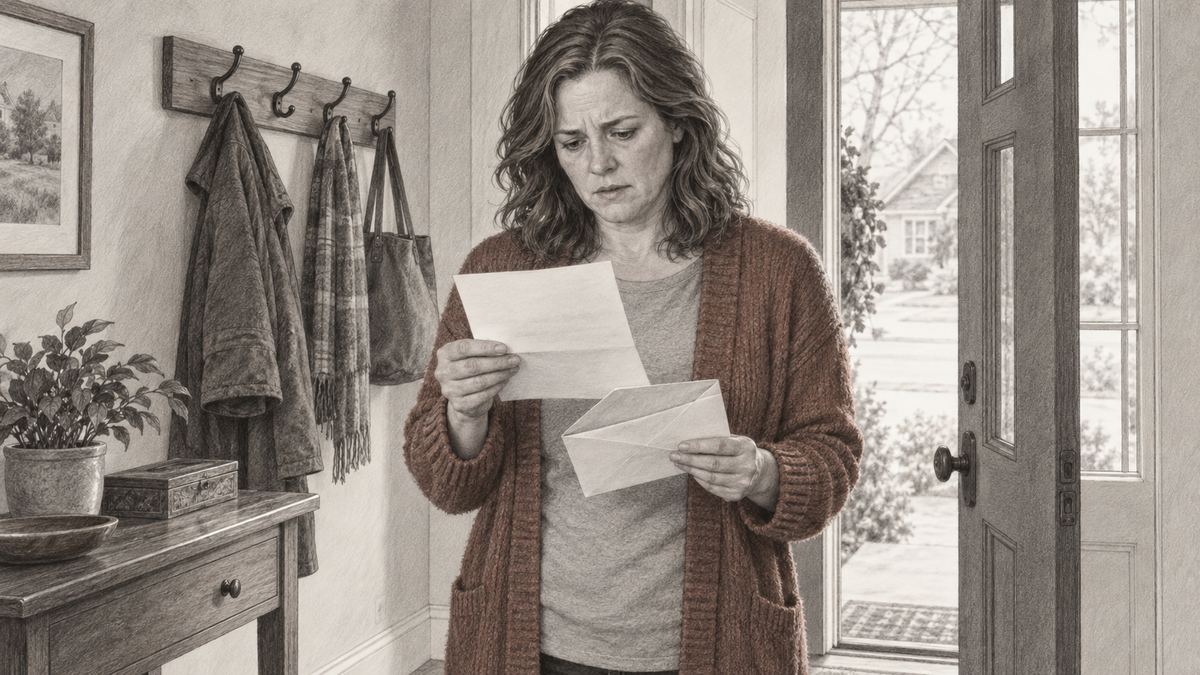
Tonya read the summons, found her response date and put it in her calendar. She checked whether a sale had been scheduled, and she contacted a HUD-approved housing counselor about assistance.
She gathered the assistance application documents and kept proof of delivery. The court case and the assistance review were two separate tracks, and she had to keep up with both.
Her story follows a judicial foreclosure, where the lender files a lawsuit. In states that use nonjudicial foreclosure, a homeowner may have to file a lawsuit to challenge the sale, and filing alone doesn’t necessarily stop it.
Proof: admit what was true, check what wasn’t

In Proof, Tonya connected each allegation to facts and evidence. She compared the complaint with her statements, bank records and assistance correspondence.
What Tonya had to check
Being behind doesn’t mean every number or every step was right. Here’s what she checked against her own records.
| Question | Her evidence |
|---|---|
| Which payments were missed or made? | Statements, bank confirmations and the payment history |
| Is the amount claimed supported? | How payments were applied and the itemized charges Gap found A payment her bank confirmed was missing from the lender’s past-due amount. |
| Does the lender have the right to foreclose? | Loan documents, the lender’s claimed interest and the foreclosure requirements that apply |
| What contact about assistance happened? | Submitted forms, delivery confirmations and the servicer’s contact records |
Foreclosure procedures, FHA requirements and defenses depend on the loan and the state. Proof shows the elements that apply in your court.
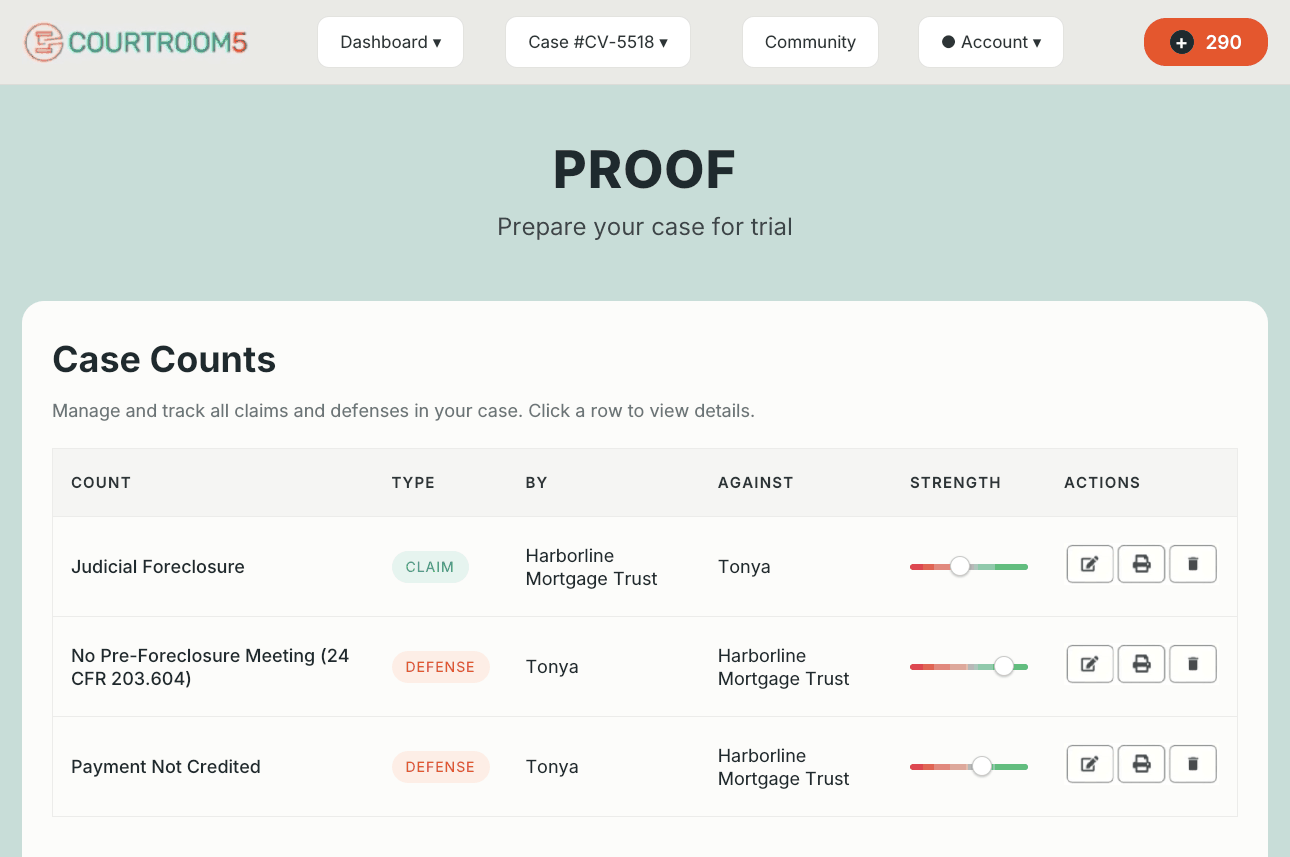
At first, she thought the missing payment meant the whole balance was wrong. Checking month by month showed real missed installments too. She corrected her own calculation and tied the one remaining discrepancy to its bank confirmation.
She could admit being behind without accepting every number.
Between shifts and appointments

At home, Tonya pictured packing up the kitchen. At work, she worried another absence would undo the ground she’d regained.
One evening after a follow-up appointment, she connected the disputed payment to its bank record. That was the whole night’s work. On Saturday, she brought one question to office hours and listened to another member describe answering a foreclosure complaint. She didn’t have to solve the whole case at once.
She worked in short blocks around her shifts and medical appointments. Preparing had to fit into the life she was trying to protect.
Strategy: an answer she could support

Tonya uploaded the complaint to Strategy and read the plain-English summary of the case and her options, then checked it against the papers and the court’s rules.
In Documents, she researched, checked each statement of fact and prepared an answer with denials and defenses she could support. She filed it and arranged service before the deadline. A new servicer name wasn’t an automatic defense, and an assistance application wasn’t a guaranteed modification.
Separately, she sent updated income records to the servicer and asked what was still missing. Courtroom5 helped her prepare the court case. The servicer decided the assistance.
Got a foreclosure complaint, a deadline or a balance that doesn’t add up?
See if your case qualifies →$1 gets you 100 credits and community access. Nothing renews.
The lender’s motion led her to a requirement she’d missed

The lender asked for summary judgment, a decision without a trial. Strategy helped Tonya understand the motion. Her research turned up a rule for FHA-insured mortgages: 24 CFR 203.604, which requires the lender to meet with the borrower, or make reasonable efforts to, before foreclosing.
She checked the current rule, HUD guidance, the exceptions and her contact history. The meeting could have been remote, but none had been offered. The records didn’t show the required outreach, and no exception explained it. A foreclosure notice wasn’t an offer to talk about assistance.
She went back to Proof and added the requirement as a defense. Then she found her own mistake: her answer hadn’t raised it. Finding the rule didn’t put it in front of the judge.
She asked permission to amend
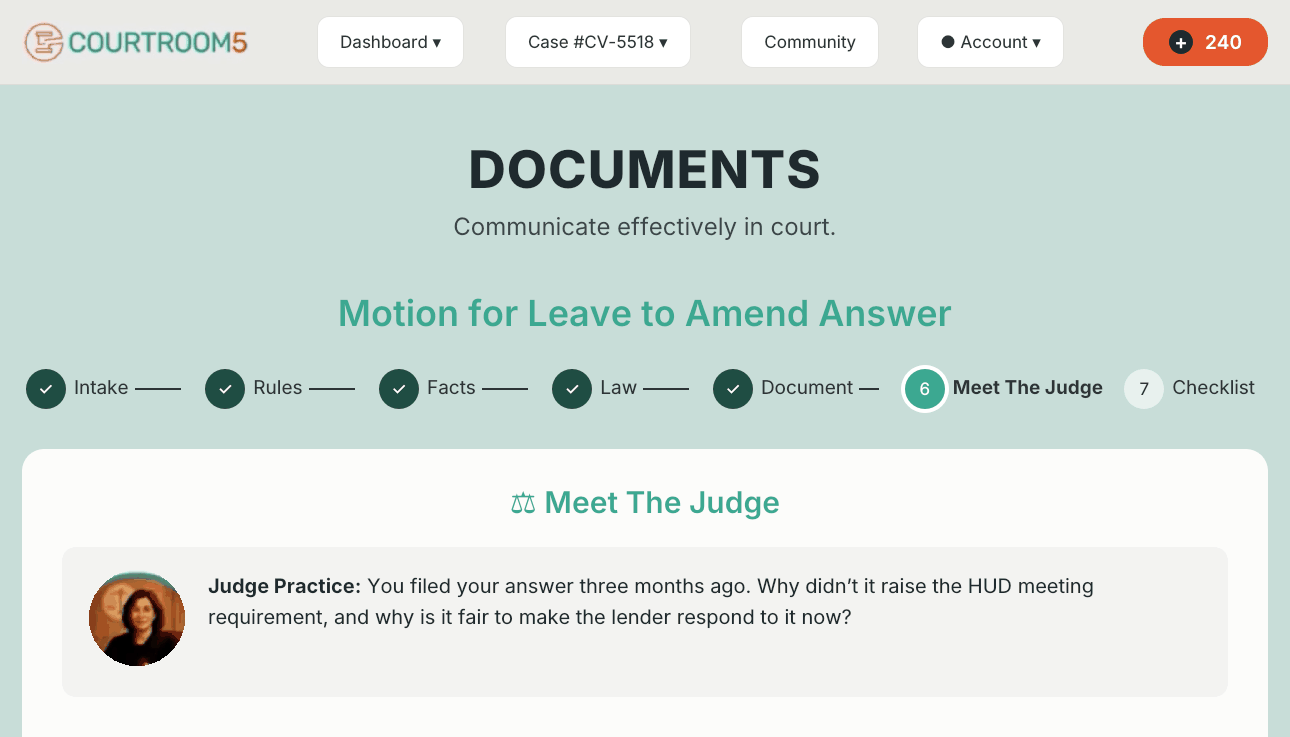
In Documents, Tonya prepared a motion for leave to amend her answer, the proposed amended answer and the supporting records. She explained when she found the requirement, why she’d missed it and how quickly she acted. Judge Practice made her answer the hardest question first.
The lender’s lawyer opposed the late addition. At the hearing, Tonya answered with the record, not a plea for sympathy because she had no lawyer. The judge allowed the amendment. It was a discretionary ruling in her case, not an automatic pass on deadlines.
Dismissed, but not finished
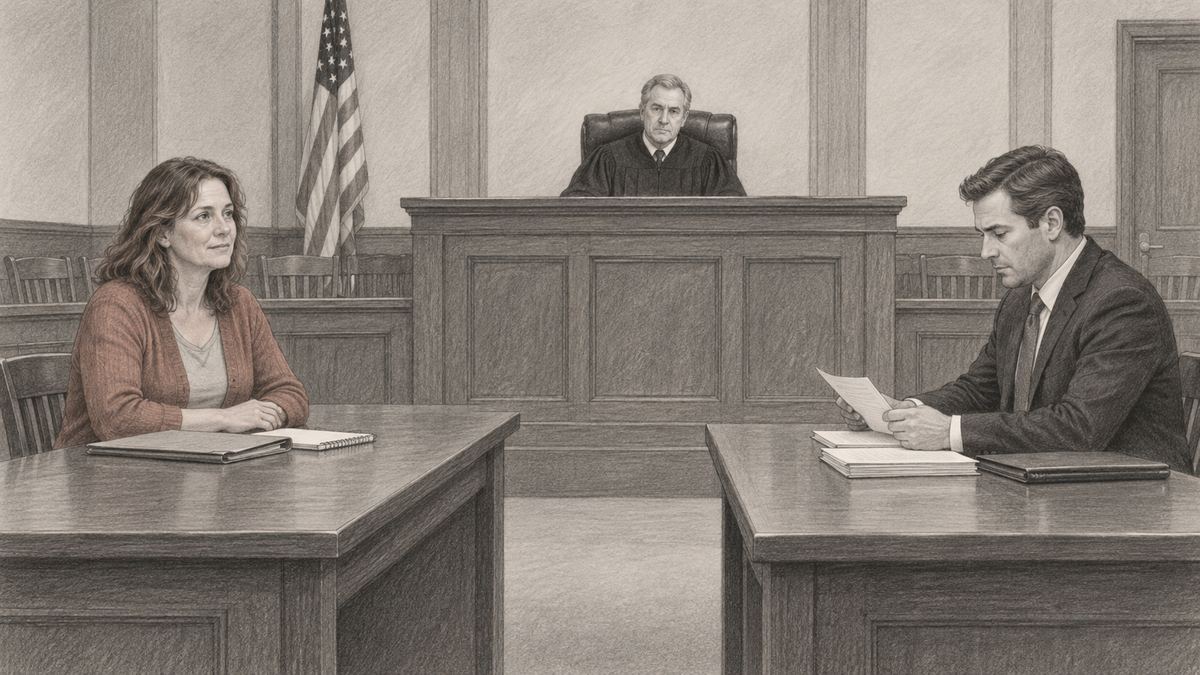
The lender had a chance to show it had met the requirement or qualified for an exception. It couldn’t. Tonya stayed focused on that one omission, not on a claim that she’d paid every installment.
The court denied summary judgment and dismissed the foreclosure without prejudice. That meant the lender could fix the missed step and file again. The mortgage and the past-due amount were still there.
What a case like this costs
On Courtroom5, you see the price of every step before you take it. Typical ranges:
- Analyzing your case and the legal issues: about 165–270 credits
- Drafting one document (such as an answer or a motion for leave to amend): about 225–725 credits
- Preparing for and responding to discovery: about 420–1,385 credits
Your first 100 credits are $1. After that, credits are 15¢ each, or 1,000 a month with Max for $99. Community, office hours and courses never use credits.
Plan for outside costs too. Foreclosure cases can involve filing and service fees. Many courts offer fee waivers, and HUD-approved housing counseling is free. Credits are a preparation cost, not a payment toward the loan.
Time she could use

Tonya kept the dismissal order with her amended answer and payment records, and started a separate log of every assistance contact and follow-up date. She updated her income records and worked with her housing counselor on a way to catch up. She didn’t have a permanent modification yet.
What she had was time, and a real chance to keep the house. The lender had asked for judgment against her home. She found a requirement it hadn’t met, got permission to raise it late, and got that case dismissed while facing its lawyer alone. She still had to use the time well.
The doorframe with the children’s heights was still in the kitchen. Now, when the next envelope came, she could open it and make a plan.
Litigate like your case matters.
Facing foreclosure? Start with the papers.
Check your court and sale deadlines, gather your payment records and contact a HUD-approved housing counselor about assistance. If you’re ready to prepare your court case, see whether the LAW Accelerator fits.
See if your case qualifies →5 questions. 2 minutes. $1 once. Nothing renews.
About this case study. Tonya is a composite drawn from the experiences of Courtroom5 members, not a report of one person’s case. Outcomes vary. This story follows a judicial foreclosure. Procedures, FHA requirements, defenses and assistance options depend on the loan, timing and jurisdiction; remote meetings are permitted and exceptions apply. Courts differ on how they treat this requirement. Amendment and dismissal are not automatic. This case study is not a promise of results.
See if we can help. Start for $1