
Copyright Case? How Malik Turned an Accusation Into a Record Without a Lawyer
Two years after his screenplay was rejected, Malik saw his scenes in the company’s film. He didn’t post the accusation. He built a narrower case, and it ended in payment and screen credit.
A composite story drawn from member experiences. Details below.
Malik wrote between freelance deadlines and restaurant shifts, and his father’s appointments went on the same calendar. A sale would have bought him writing time. The rejection had sent him back to the next pitch instead.
Then came the film. Familiar dialogue. A sequence he remembered revising at his kitchen table. Someone else’s name in the credits.
His first instinct was a public post calling the production company thieves. Before he hit publish, he opened the script he’d actually submitted and asked a harder question: what, exactly, could he show?
The company had lawyers. Malik couldn’t afford one. But he didn’t want his angriest paragraph to be the best-prepared thing he ever wrote about it.
See if your case qualifies →5 questions. 2 minutes. $1 once. Nothing renews.
Proof: his script, not every similar idea
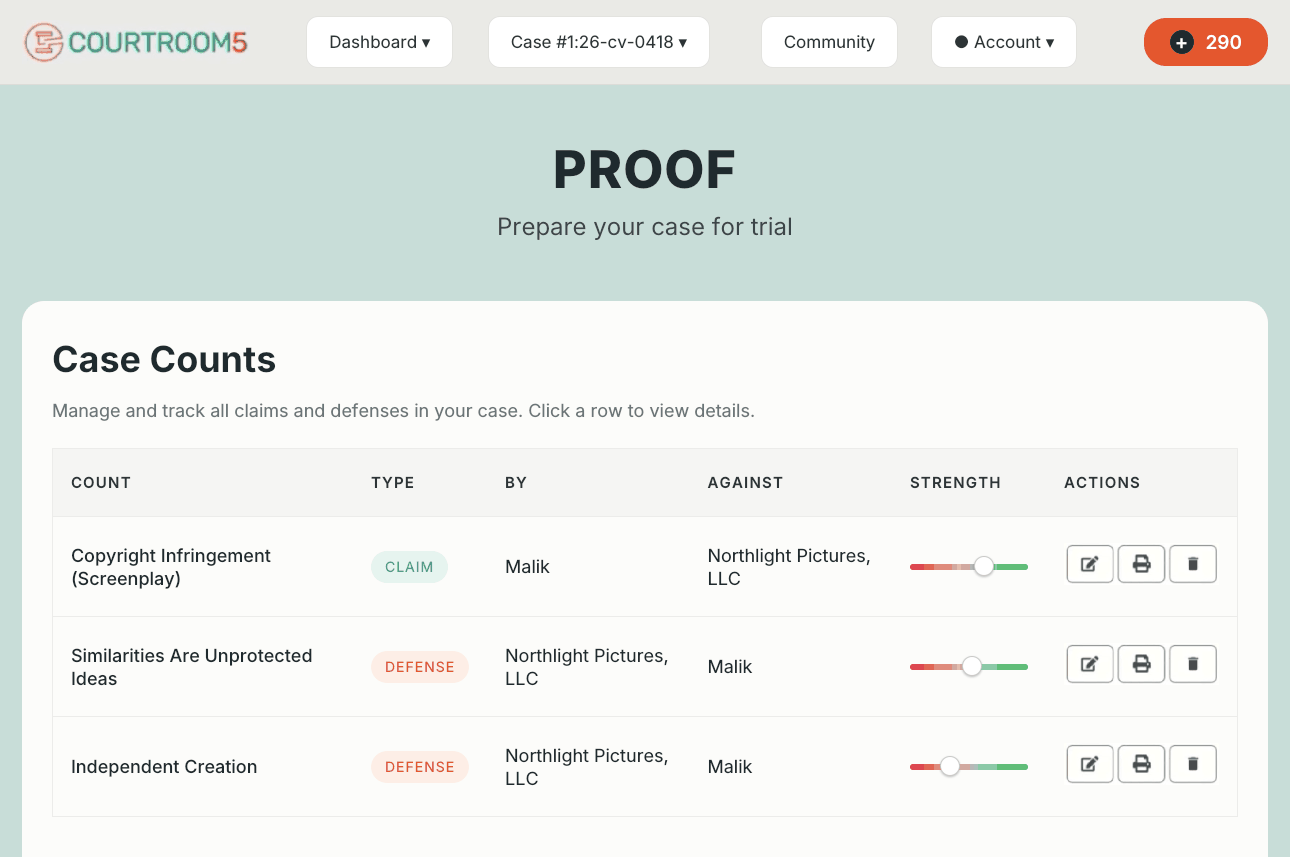
In Proof, Malik separated three questions: what he owned, whether the company had copied it, and which specific expression he believed was taken.
He owned the screenplay himself, and he had registered the copyright before submitting it. He saved the certificate, his dated drafts, the submission email and the rejection. Registration let him bring a federal claim. It didn’t prove the company copied anything.
Copyright protects original expression, not ideas. A shared premise or a familiar dramatic situation wasn’t enough. So Malik compared exact passages and sequences, in context, instead of counting every resemblance as theft.
What Malik had to prove
A copyright claim turns on specific expression, not on how familiar a film feels. Here’s what he matched to each question.
| Question | His evidence |
|---|---|
| What does he own? | His screenplay, the registration certificate and his drafting history, plus confirmation that he never signed the rights away |
| What did the company receive? | The actual attachment he sent, not his latest saved draft |
| What expression was copied? | Script page references matched to film timestamps, with notes separating specific expression from general ideas |
| Does the record back his comparisons? | Each comparison checked against the submitted draft Gap found One of his strongest dialogue matches came from a revision he wrote after the rejection. That line wasn’t in what he sent. |
Copyright standards vary by federal circuit. Proof shows the elements that apply in your court.
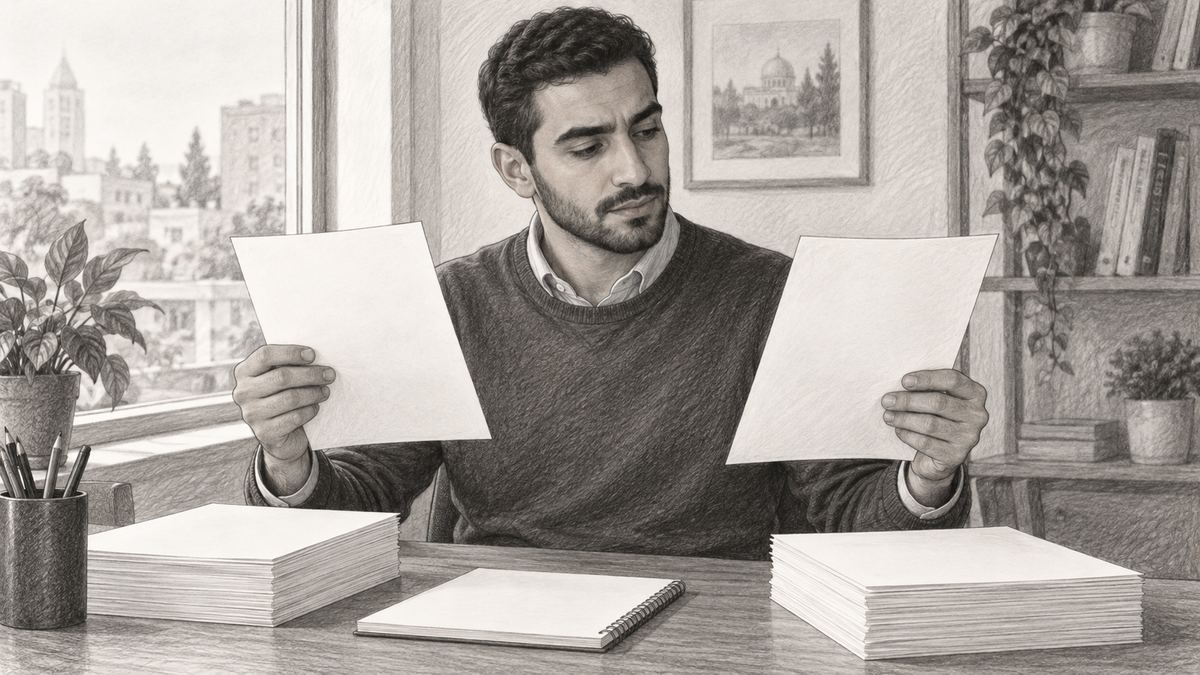
He dropped that comparison. It didn’t mean nothing was copied. It meant he couldn’t use that line to support the story he’d been telling himself.
The post stayed unsent. The next thing he wrote was a corrected comparison.
Doubt, before the next shift
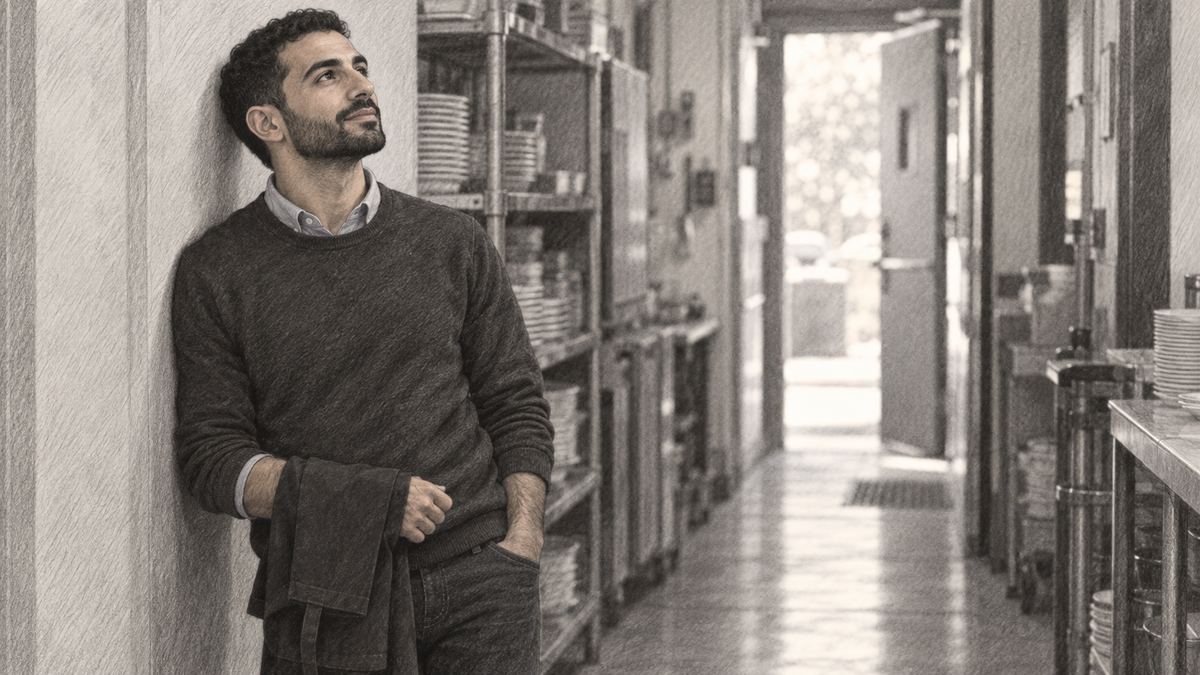
One afternoon, Malik leaned against the wall of the restaurant’s back hallway with his apron over his arm. A writing assignment was due. His father needed a ride in the morning. A lawsuit could take money and time he didn’t have, and he worried about becoming the writer nobody wanted to hear from.
He watched part of a Learning Center lesson before his shift. Later, a community thread helped him keep his comparisons clear. Neither decided anything for him. He gave himself one task: check the next passage against the submitted draft.
The case started fitting into his life instead of swallowing it.
Strategy: choose the case he could support
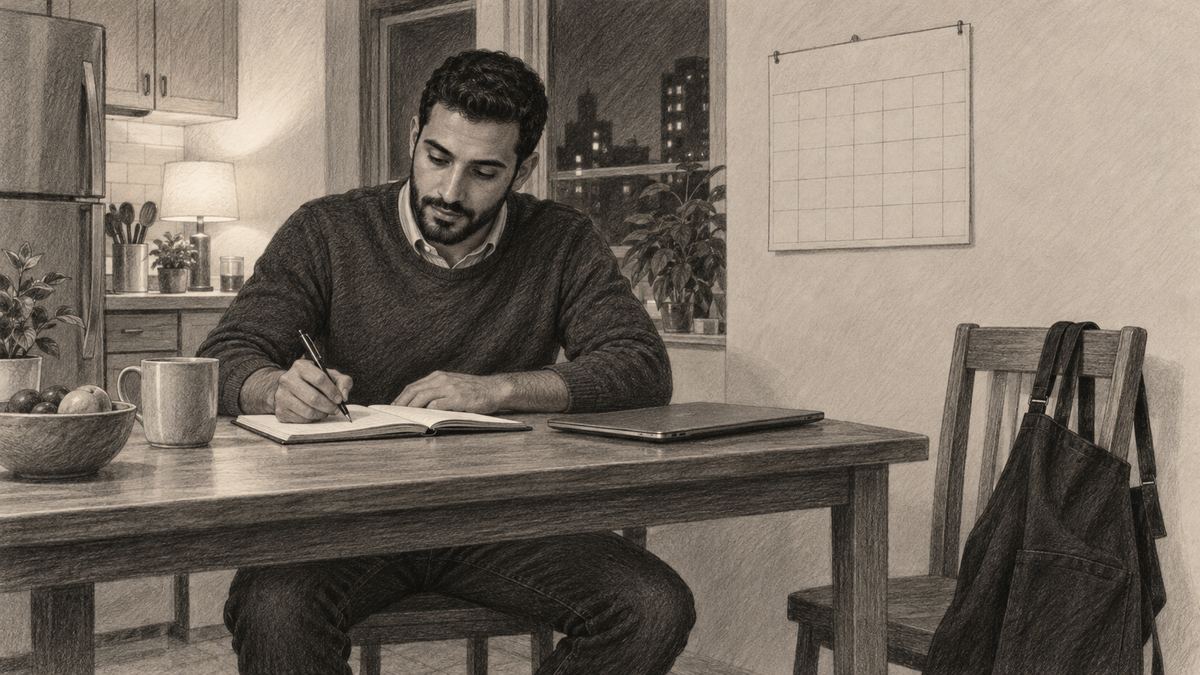
Strategy helped Malik compare a written demand, negotiation and a lawsuit. He was clear about what he wanted: payment, credit for his work and some control over how it was used.
Stopping the film’s release sounded satisfying. But an emergency injunction was a separate request with steep requirements and real risks, so he chose not to seek one. He also checked the rules on damages. The film’s entire revenue wasn’t simply his loss, and statutory damages weren’t a guaranteed payout.
When his written demand didn’t resolve things, he decided to sue in federal court. He checked the deadlines, the filing and service rules, and what continuing would cost, and kept his freelance work and writing time on the calendar.
Think your work was copied, or got a demand letter saying you copied someone else’s?
See if your case qualifies →$1 gets you 100 credits and community access. Nothing renews.
The judge cut his case down
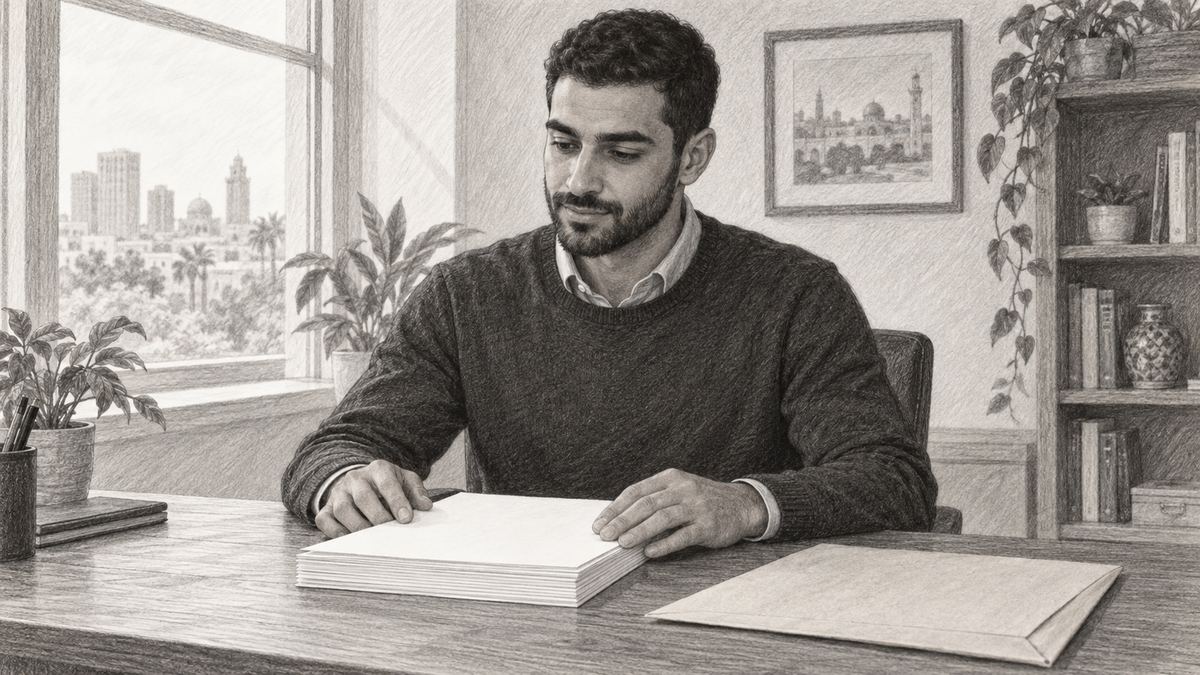
In Documents, Malik prepared a complaint built on the ownership and copying his record supported, checked every citation against the submitted draft, filed it and arranged service.
The company’s lawyers moved to dismiss, arguing that the similarities were unprotected ideas and familiar situations, not protected expression. Judge Practice pushed Malik to answer that before the real judge did.
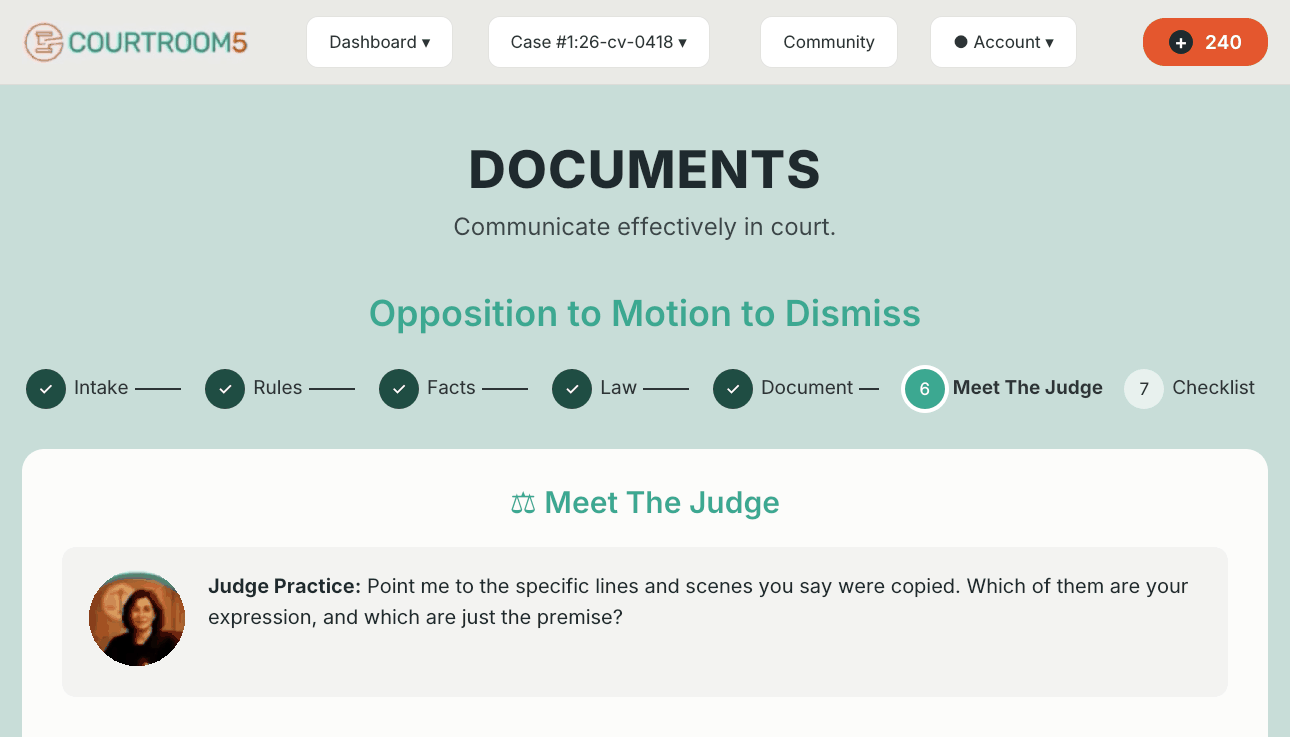
He stopped leading with how betrayed he felt and started with what the complaint alleged: the work he owned, the company’s receipt of it, and the specific lines and scenes at issue.
The court dismissed the parts of his claim built on the shared premise. It let his narrower claim about specific dialogue and sequences go forward. That wasn’t a finding of infringement. Malik read the order and rebuilt his plan around what survived.
Back to Proof as records arrived
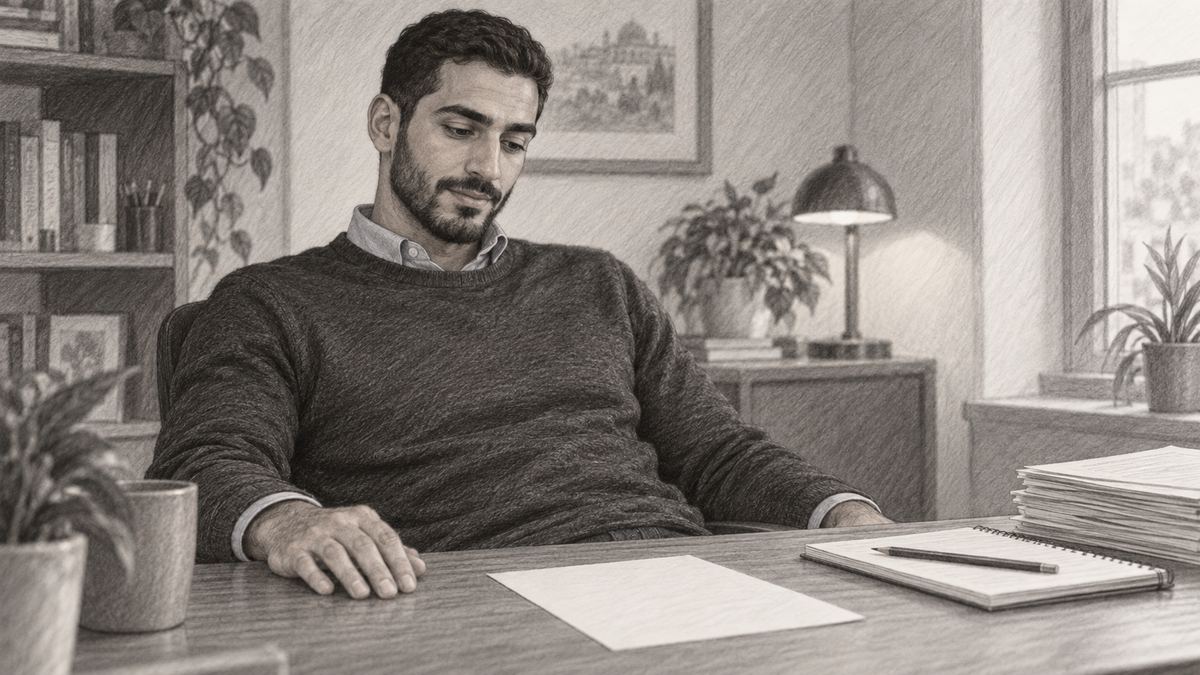
In discovery, Malik asked for the submission and development records tied to the surviving claim, not every document the company had ever made. When the company held back, he raised it with its lawyers first, then asked the court. The court ordered specific records produced.
Internal messages showed his script had circulated beyond the first person who received it. That supported access. But other development records showed some of the similarities he’d noticed came from before his submission. He went back to Proof and removed those too.
That was the turn. Malik could show the disputed scenes and the access evidence without defending comparisons he’d already dropped. The company still denied infringement, but it started talking terms.
A settlement, not every demand
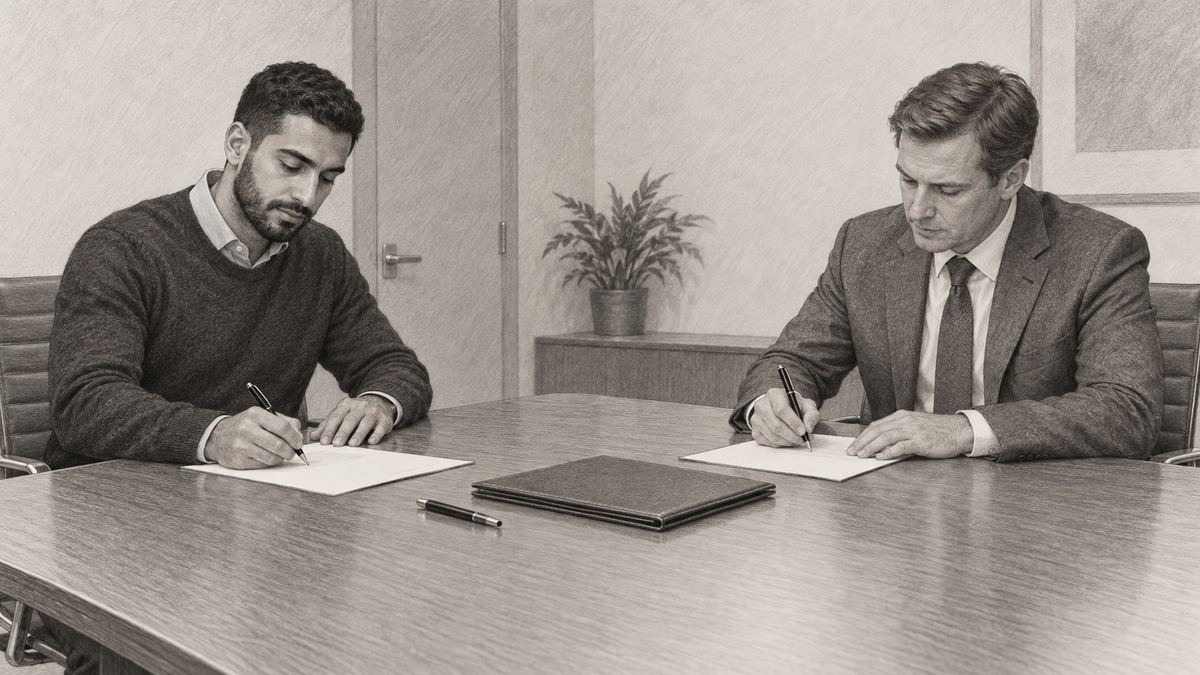
Malik reviewed the payment, the credit, the permitted uses and the release together, and got independent advice on the agreement before signing.
He didn’t get everything he’d first imagined: no public admission of theft, no order pulling the film. He chose a negotiated payment and defined screen credit, with limits on how his material could be used, over the cost and uncertainty of trial.
He confirmed the payment and the credit, then filed the dismissal the settlement required and checked the court record until the case was closed. There was no trial and no finding of infringement.
What a case like this costs
On Courtroom5, you see the price of every step before you take it. Typical ranges:
- Analyzing your case and the legal issues: about 165–270 credits
- Drafting one document (such as a complaint or an opposition to a motion to dismiss): about 225–725 credits
- Preparing for and responding to discovery: about 420–1,385 credits
Your first 100 credits are $1. After that, credits are 15¢ each, or 1,000 a month with Max for $99. Community, office hours and courses never use credits.
Plan for outside costs too. Federal copyright cases involve a filing fee and service costs, and some need a paid expert. Courtroom5 doesn’t cover these.
Back to the next screenplay

Malik saved the closing records and opened the unfinished script that had waited through the whole case.
Not every suspicion had turned out to be true, and his own corrections were part of why the company took his case seriously. He had traded the urge to say everything in public for the ability to prove what he said in court.
After his next shift, he wrote a scene that had nothing to do with the lawsuit.
Litigate like your case matters.
Think your work was copied?
Preserve your work, your submission records and the dates. Check what you own, and separate the specific expression at issue from ideas anyone could use. If you’re ready to prepare your case, see whether the LAW Accelerator fits.
See if your case qualifies →5 questions. 2 minutes. $1 once. Nothing renews.
About this case study. Malik is a composite drawn from the experiences of Courtroom5 members, not a report of one person’s case. Outcomes vary. Copyright claims depend on the work, the evidence, the federal circuit and the court. Courtroom5 is not a law firm and does not provide legal advice. This case study is not a promise of results.
See if we can help. Start for $1